Centro de Medicina Andina
Promoting health through Andean medicine
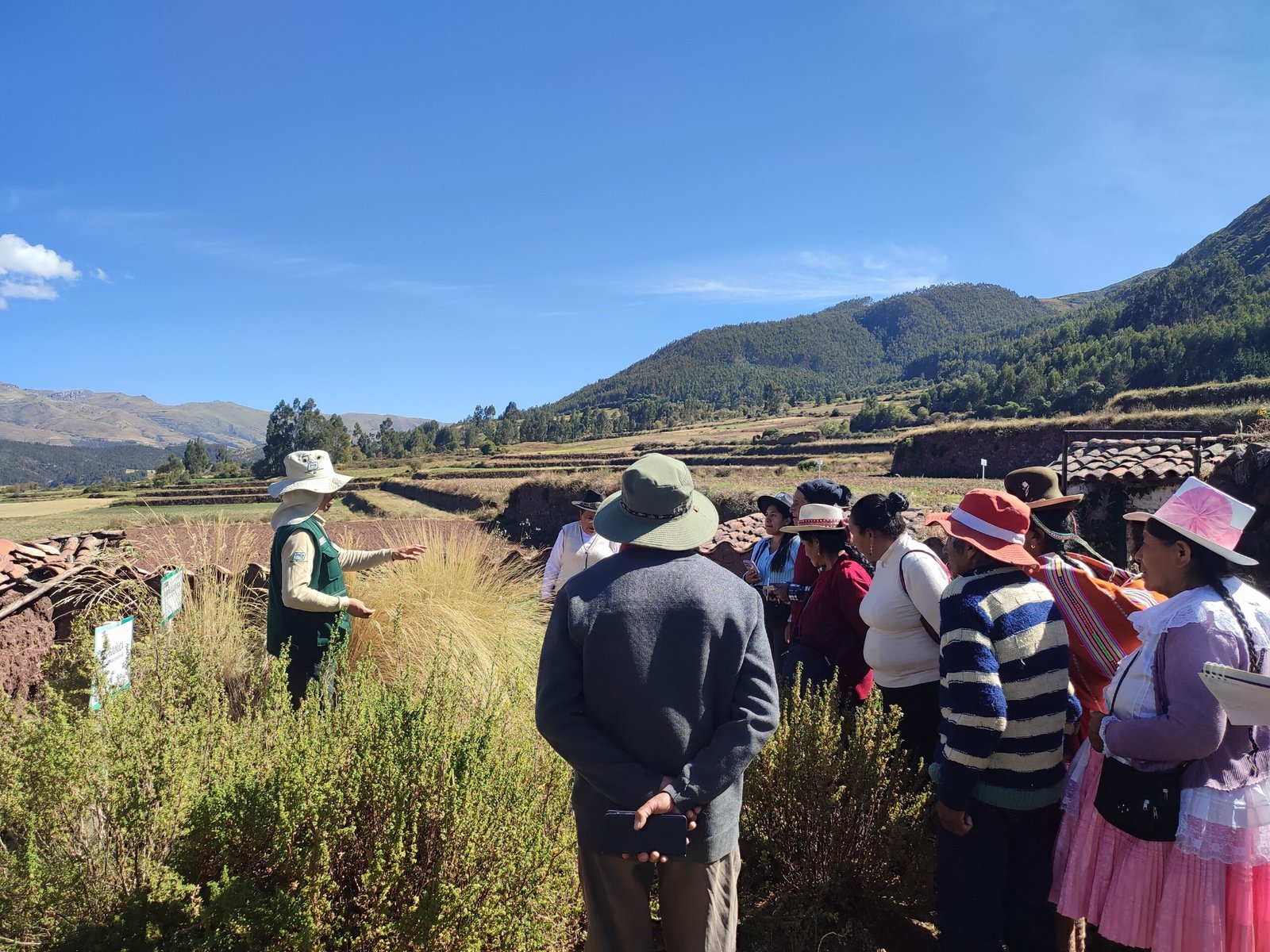
We train the Hampicamayoc across the whole Cusco Region, help them set up medicinal home gardens, gather seeds and organise healing fairs, workshops and internships so that this ancestral knowledge stays alive.
We work alongside

Andean medicine exists, it is alive and it deserves recognition
Since 1981 the Centro de Medicina Andina (Centre for Andean Medicine) has worked alongside rural communities and the traditional health knowledge keepers of the southern Andes. We were founded to rescue the healing knowledge of the Quechua and Aymara world from oblivion, and to see it recognised and integrated into the health system rather than dismissed as folklore.
Our mission
We are an institution dedicated to promoting health through natural Andean medicine, valuing, strengthening and training the Hampicamayoc of the Cusco Region, organised in different groups. We promote the responsible use of medicinal plants, their transformation into medicinal products and the transmission of the ancestral wisdom of the Hampicamayoc for the benefit of the population.
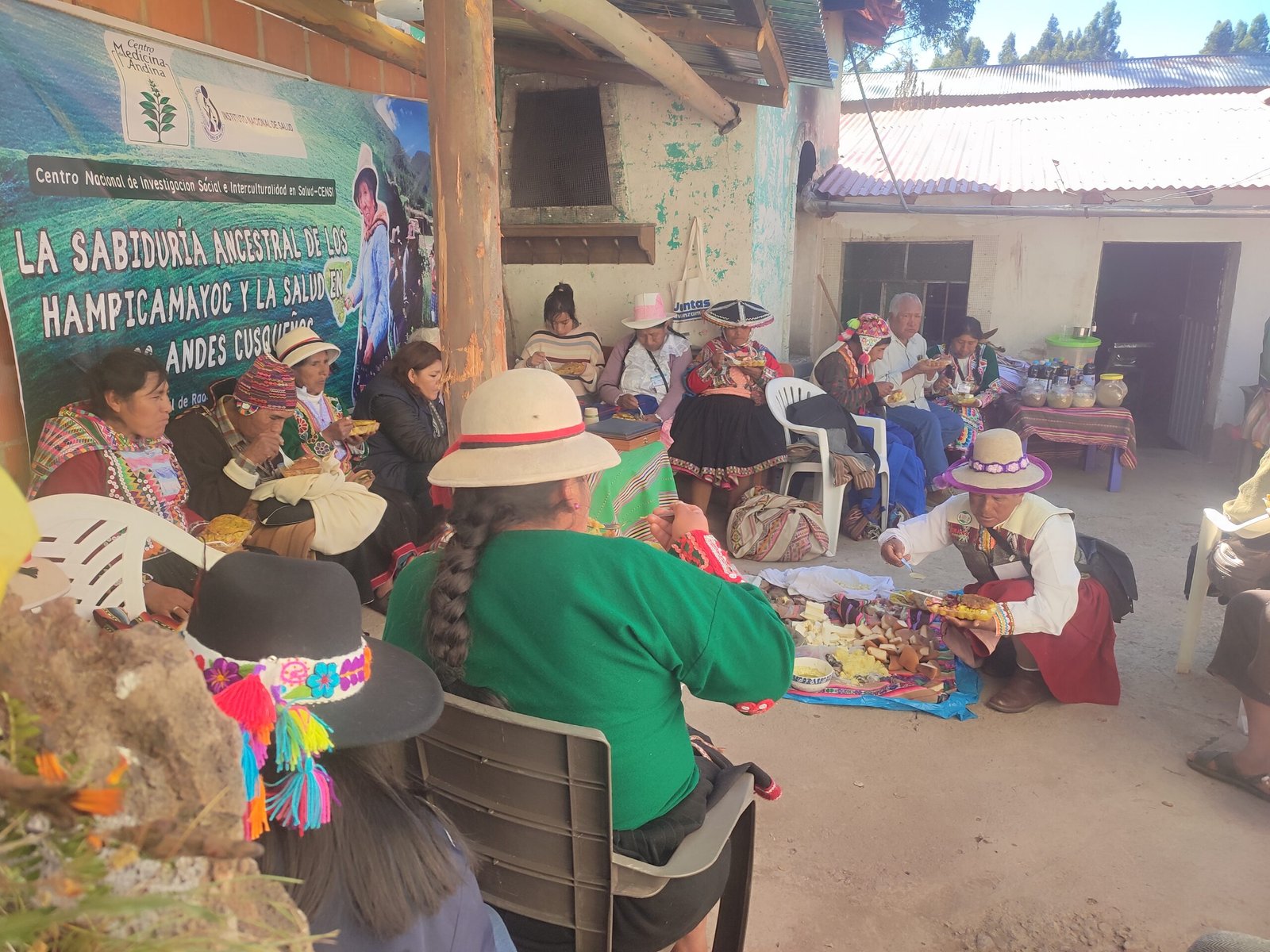
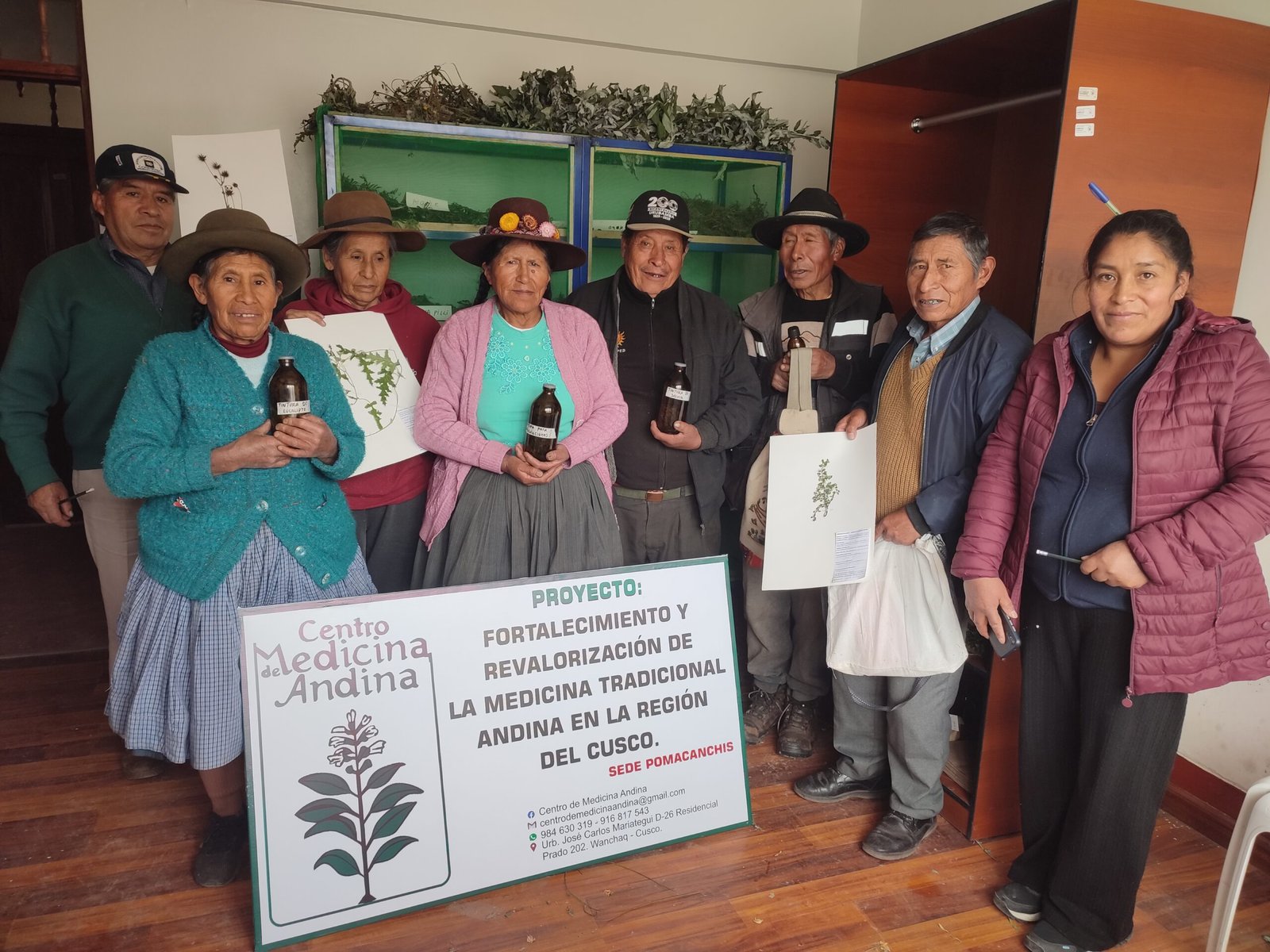
Traditional health knowledge keepers, organised and accredited
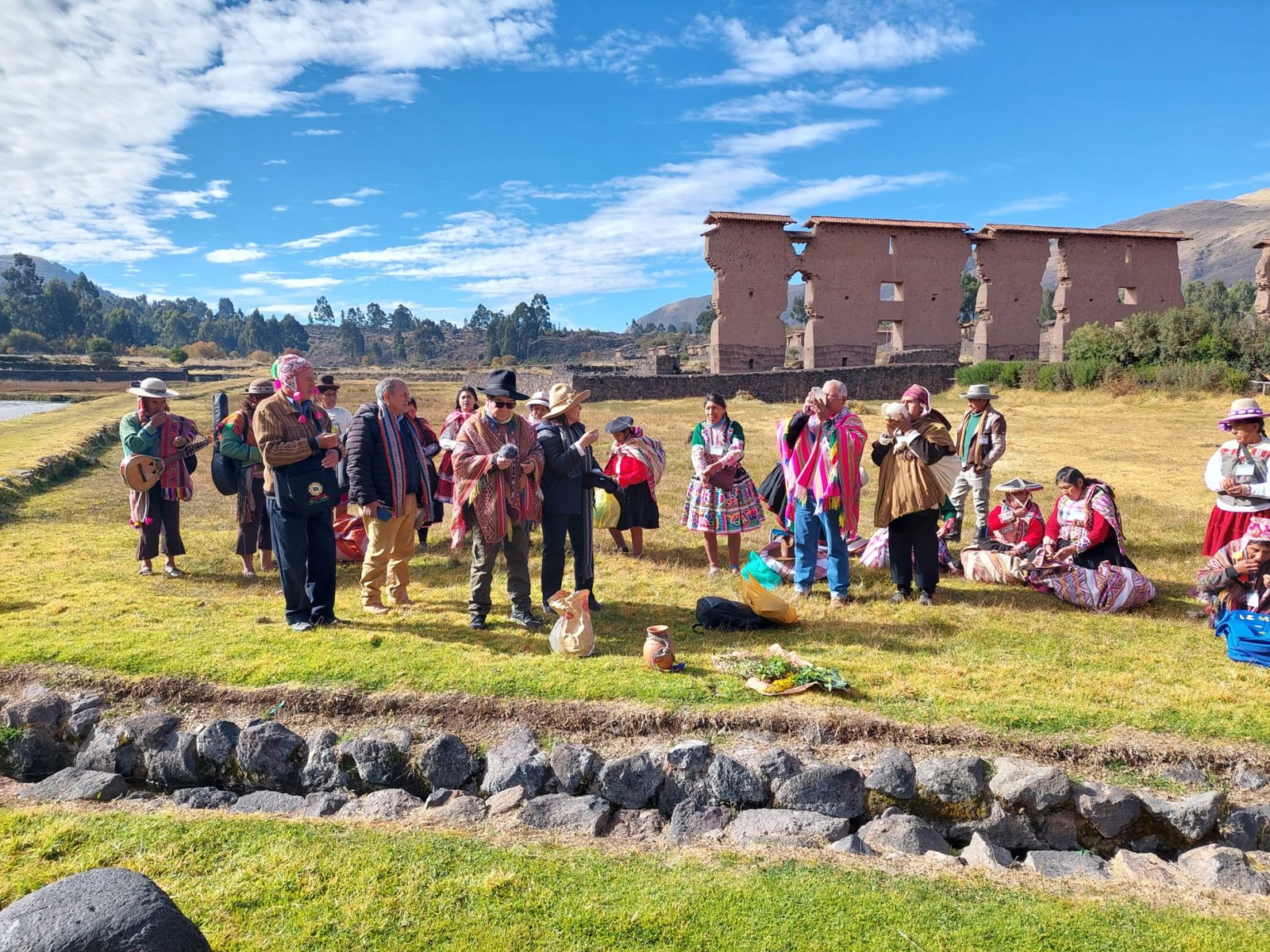
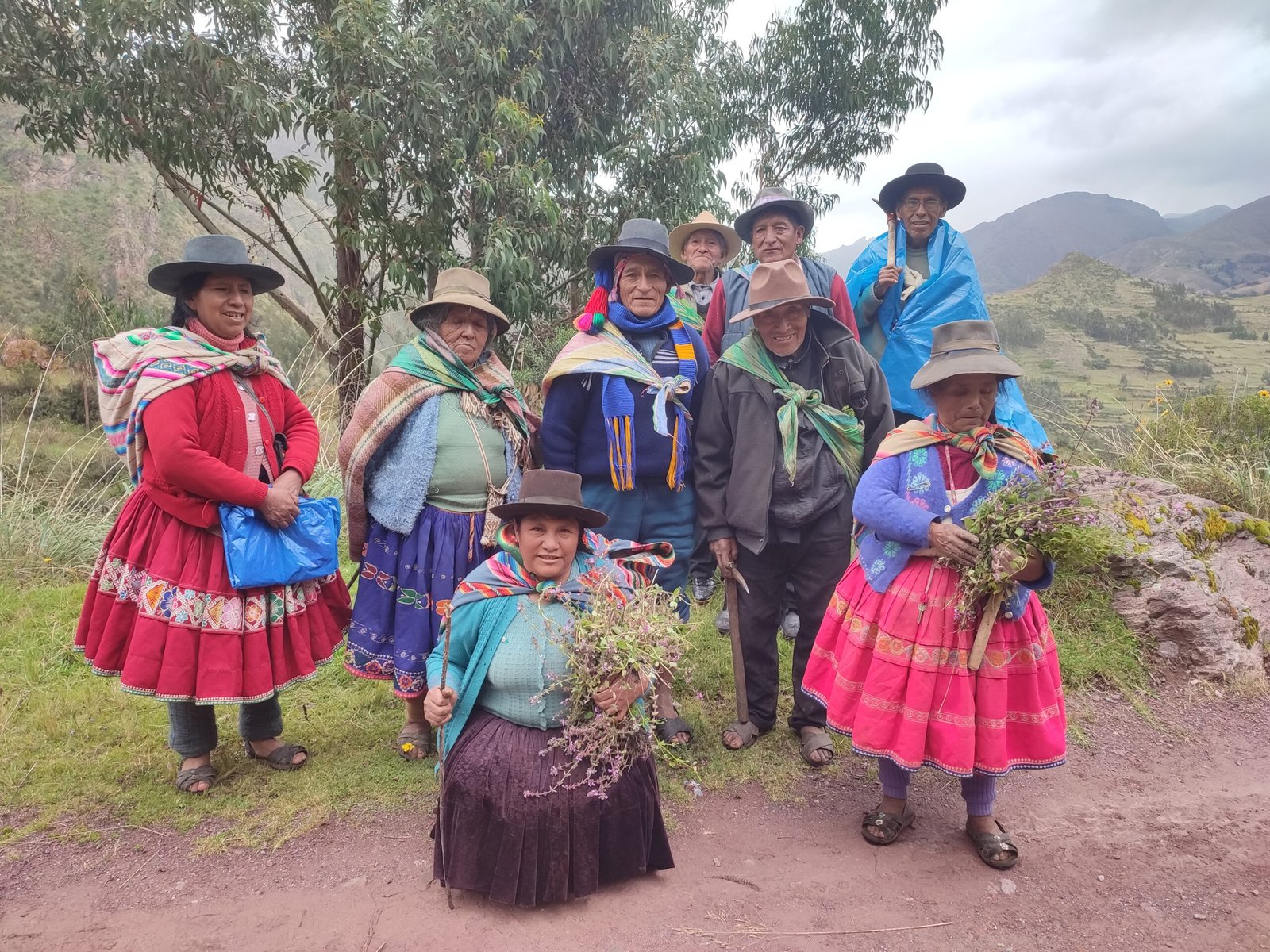
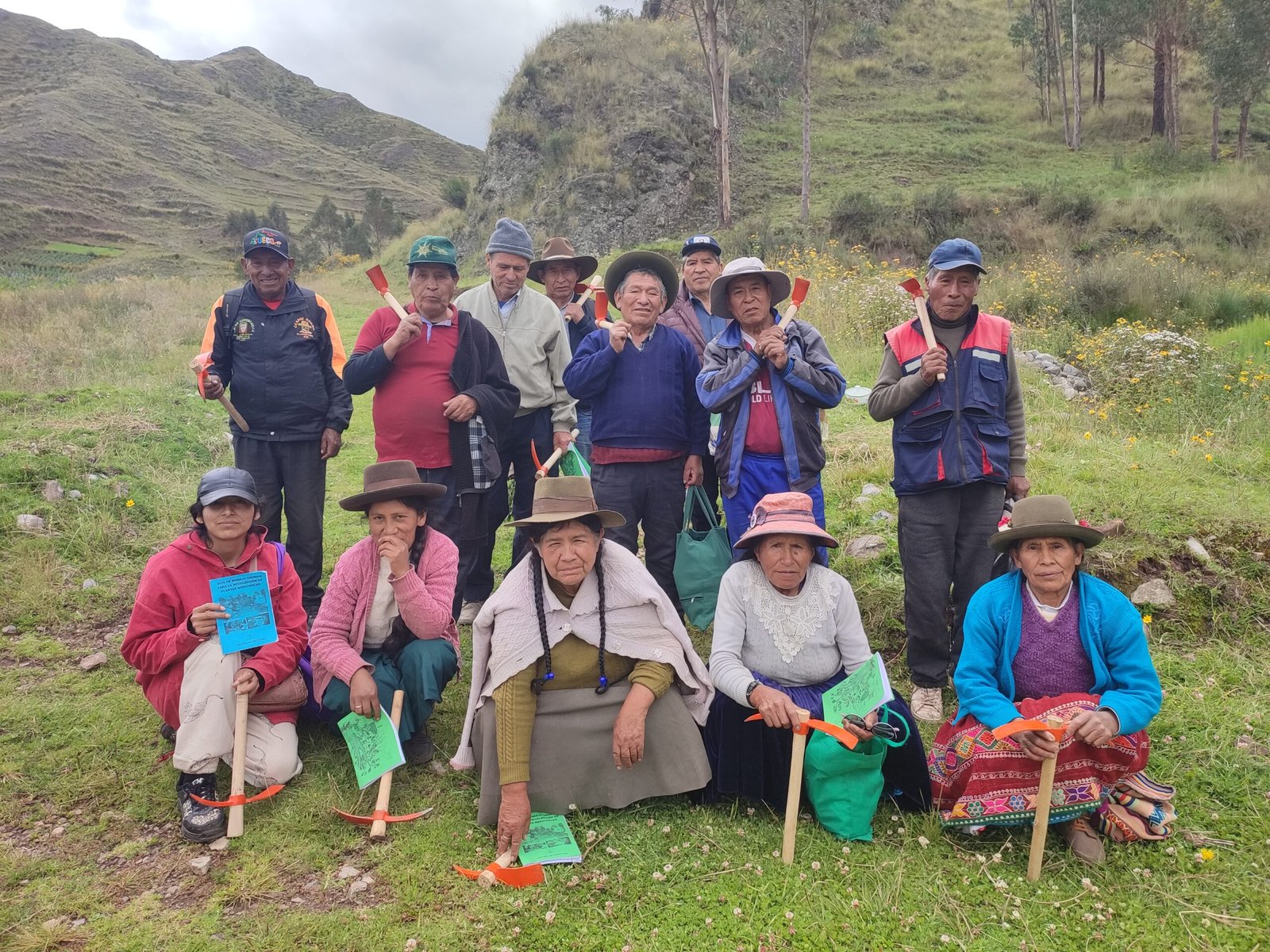
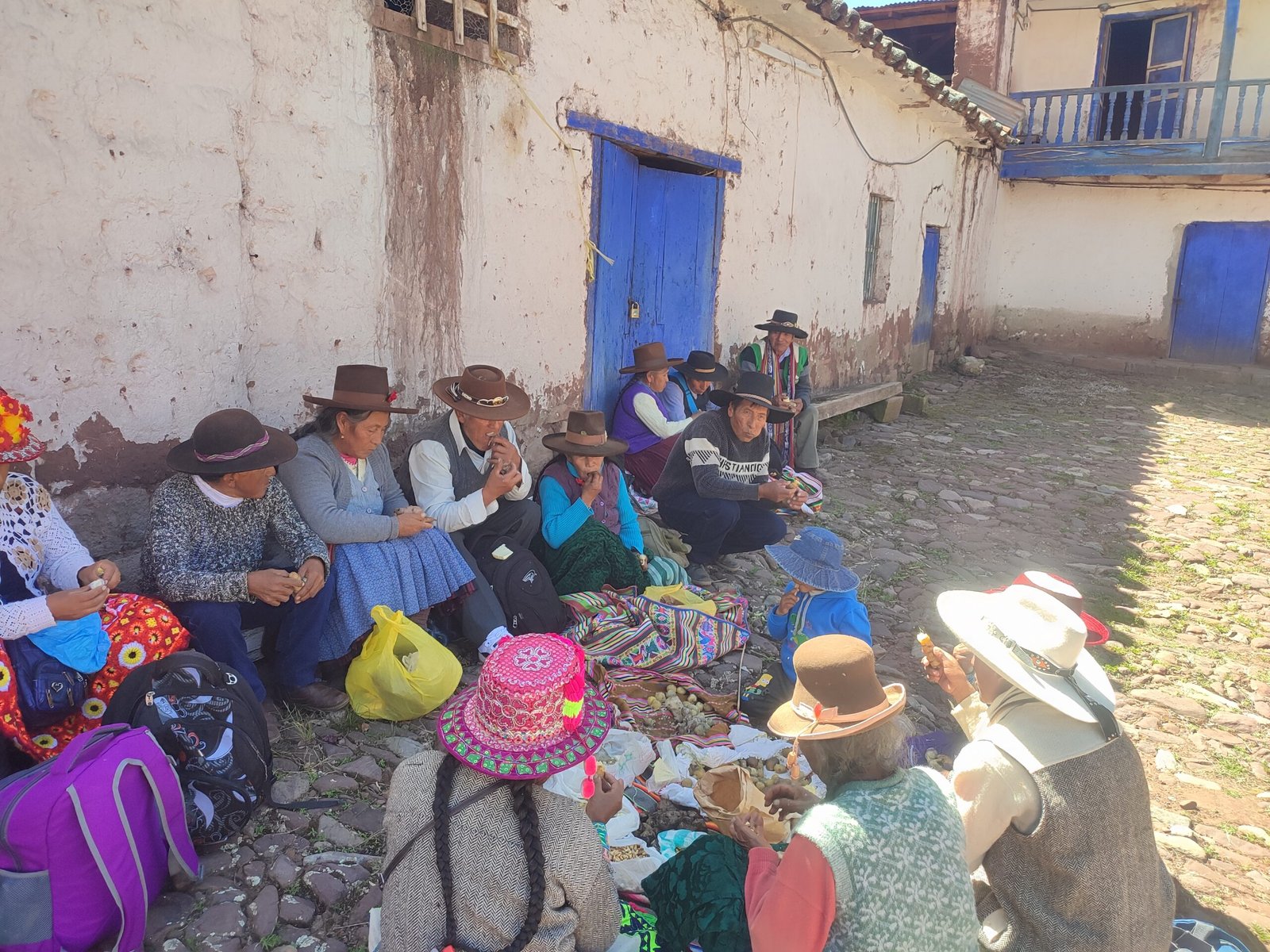
The Hampicamayoc are the people who preserve and practise Andean medicine in their communities. During 2026 we are supporting 40 of them across the Cusco Region to strengthen their skills, their organisation and their economic sustainability.
- Registration and geolocation of each Hampicamayoc, with their specialities.
- Workshops on making ointments, tinctures, essential oils and syrups.
- Working kit, official ID card and accreditation to serve the population.
- Formation of an association with its own legal status.
The ten lines of work in the project
The project to strengthen and revalue traditional Andean medicine in the Cusco Region unfolds across ten activities: from mapping the Hampicamayoc through to internships, taking in workshops, medicinal home gardens, seeds, healing fairs and the creation of their association.
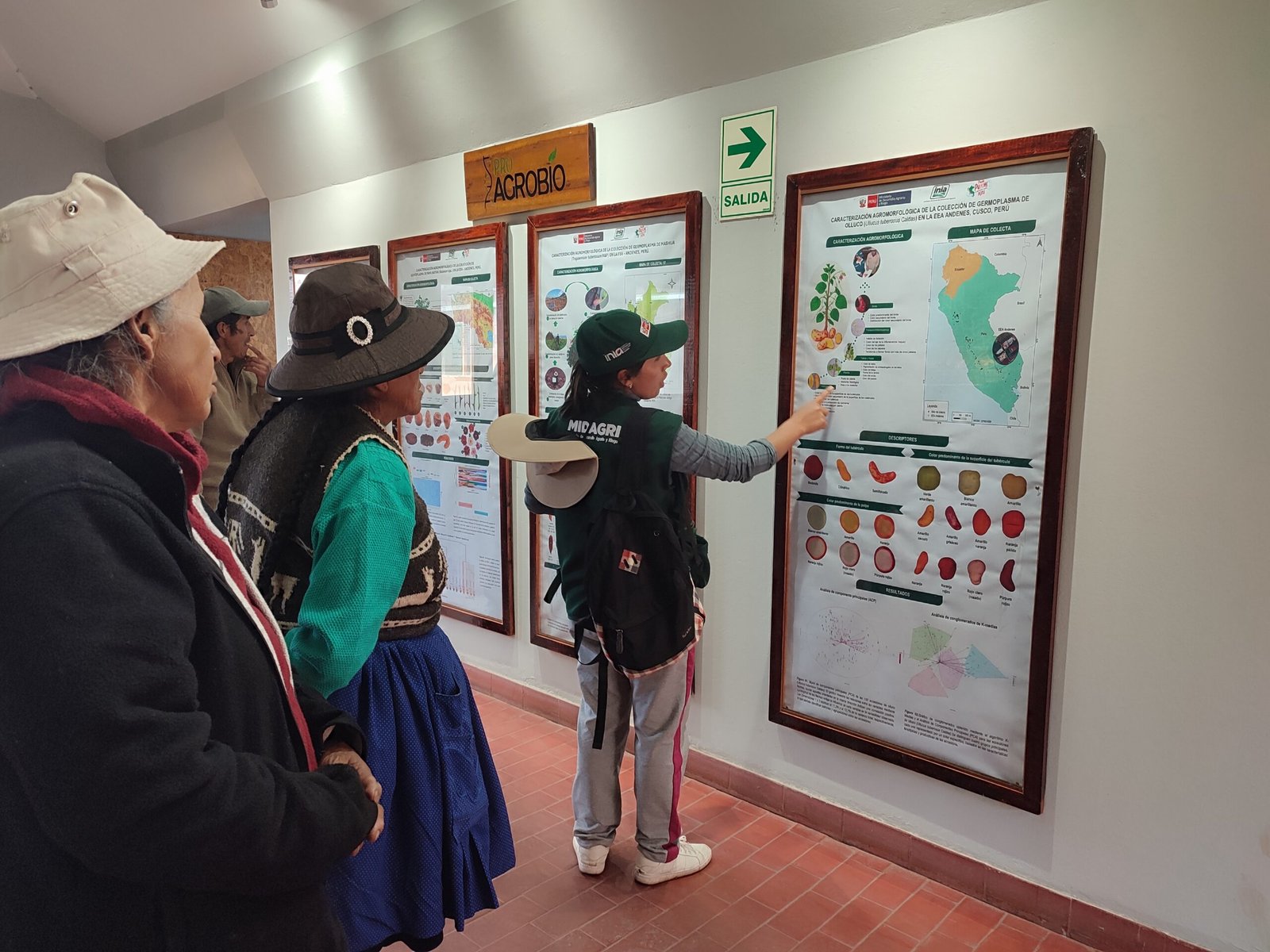
Mapping and visits to Hampicamayoc
Identifying, registering and geolocating the Hampicamayoc of the Cusco Region on a digital platform, with their specialities and availability.
View activity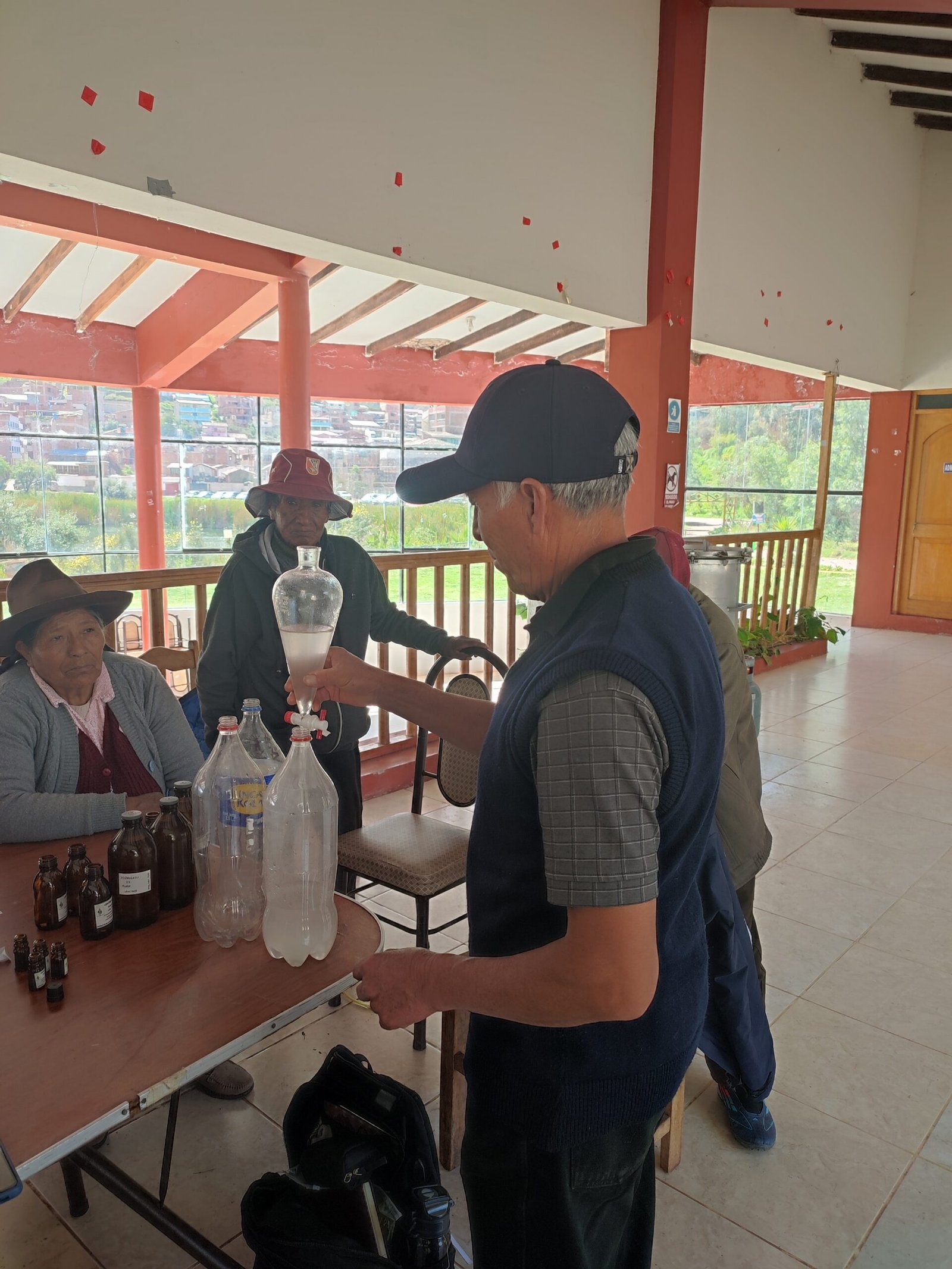
Hands-on medicinal product workshops
Nine workshops on the use, transformation and conservation of 30 medicinal plants: ointments, essential oils, tonics, poultices and herbal teas.
View activity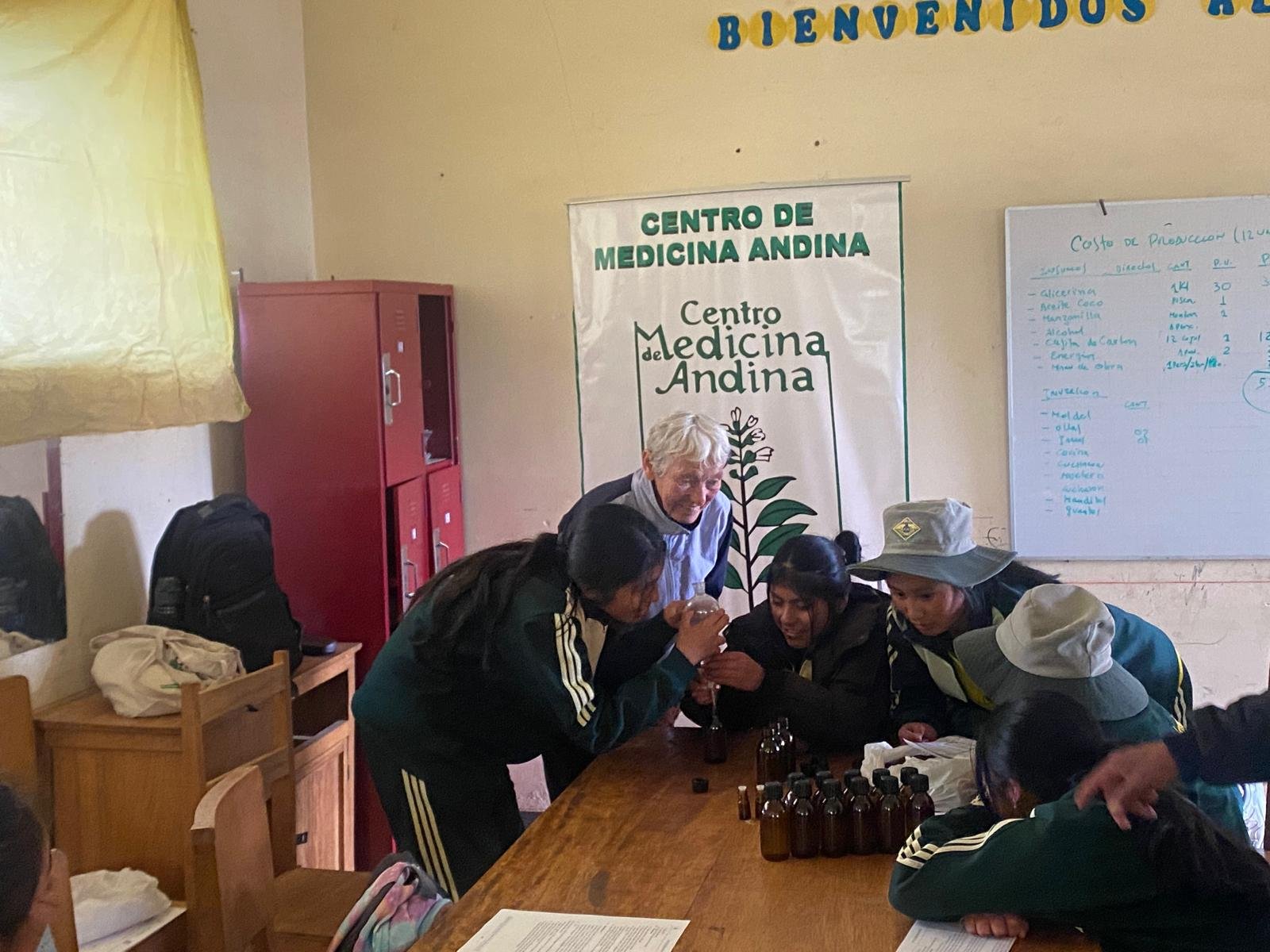
Awareness campaigns
Twelve educational campaigns in which the Hampicamayoc visit schools and communities to teach the proper use of medicinal plants.
View activity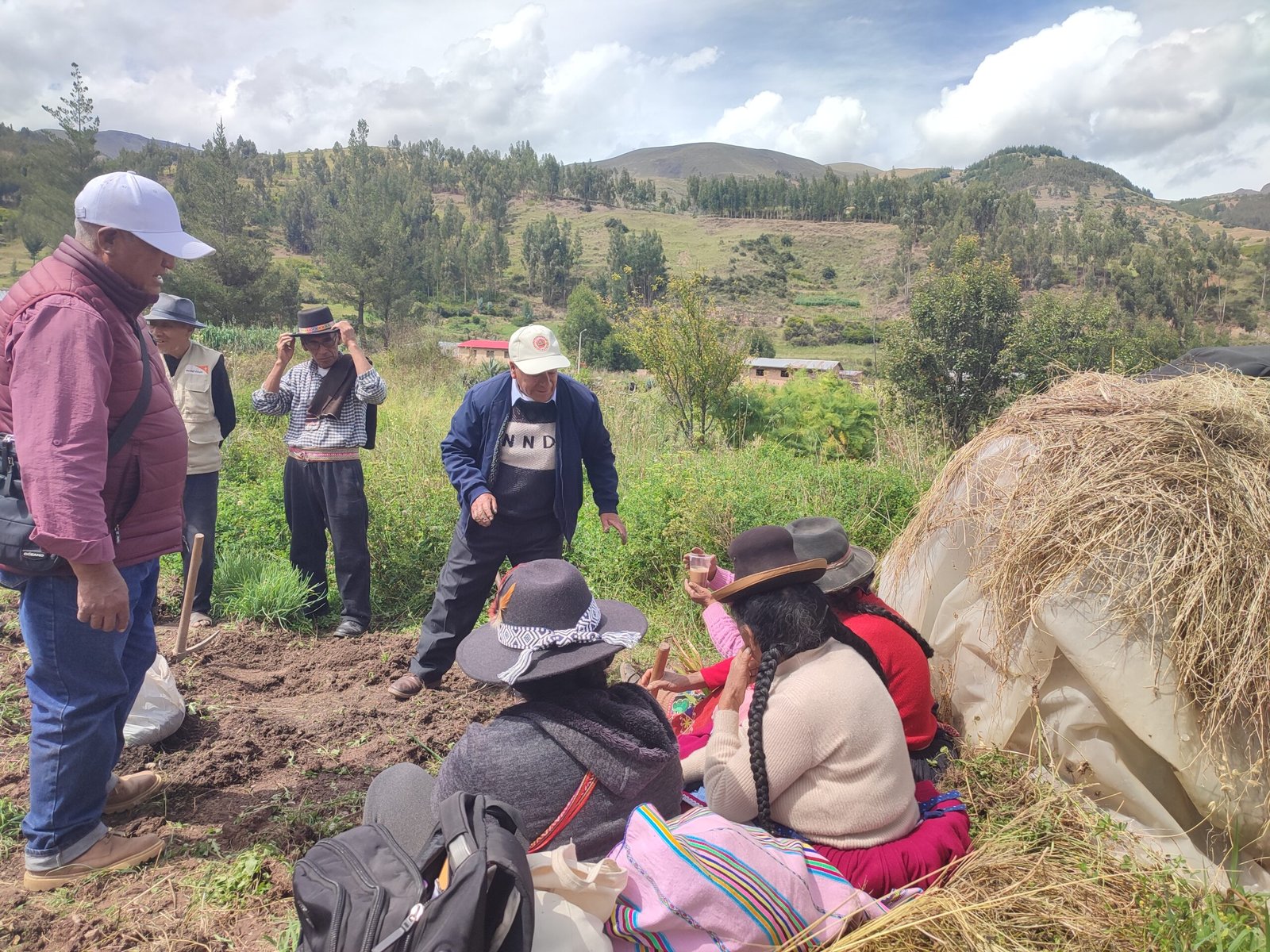
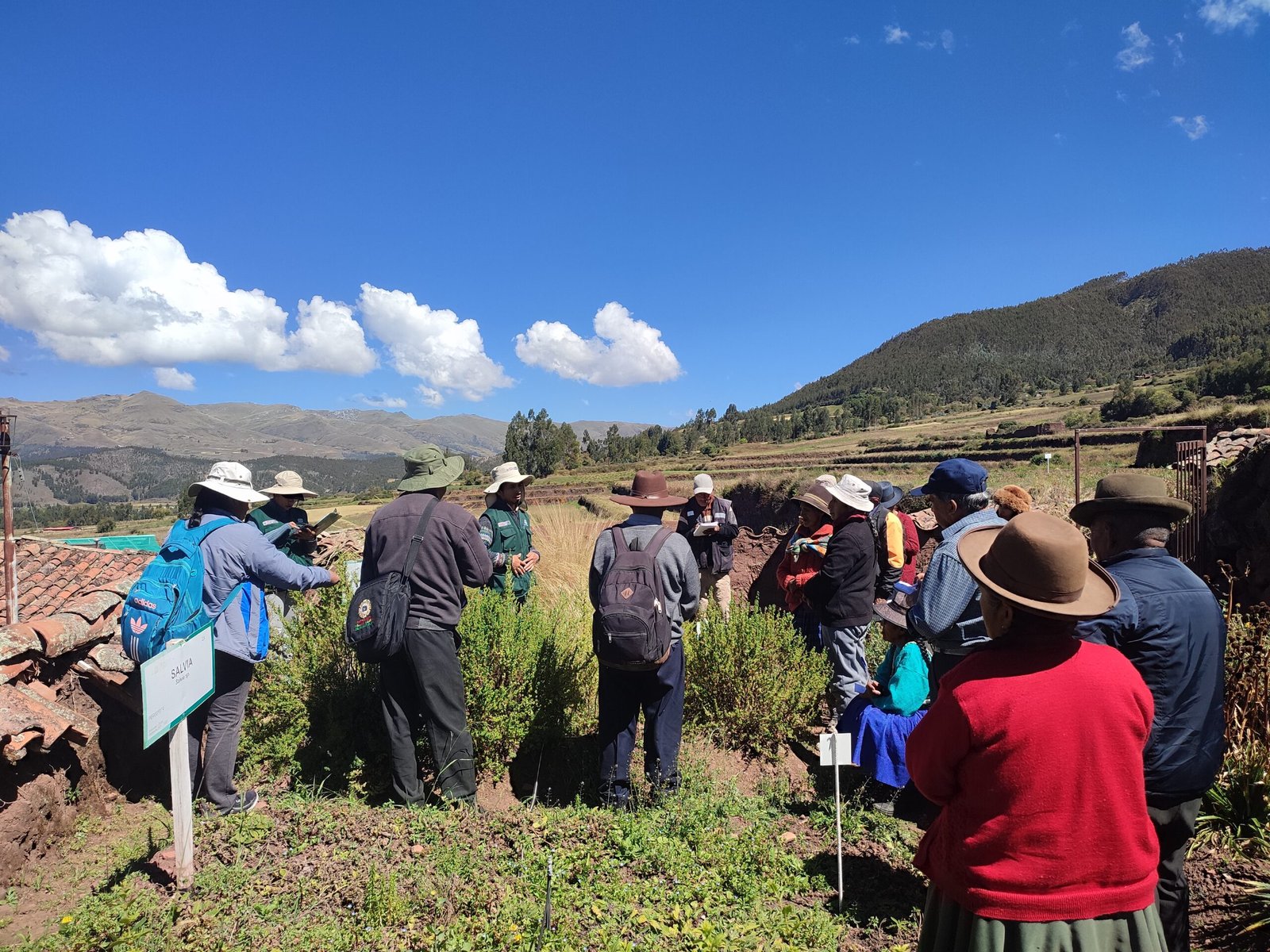
Medicinal home gardens of the Hampicamayoc
Forty personal plots combining medicinal plants and food crops, with technical support, seeds, tools and organic fertiliser.
View activity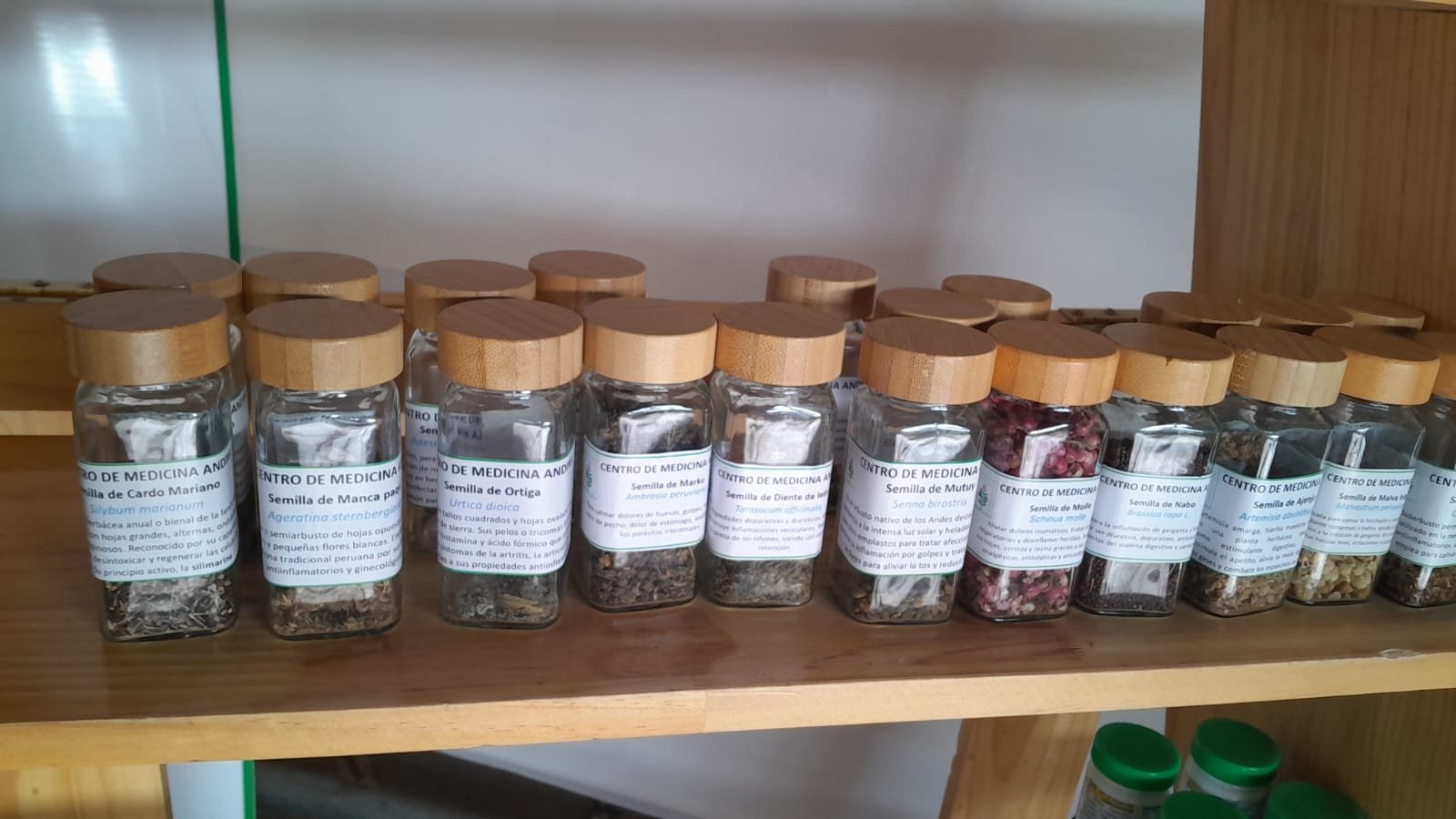
Gathering seeds and cuttings
Collecting seeds, stakes and cuttings from the different ecological tiers of Cusco to build an inventoried community seed bank.
View activity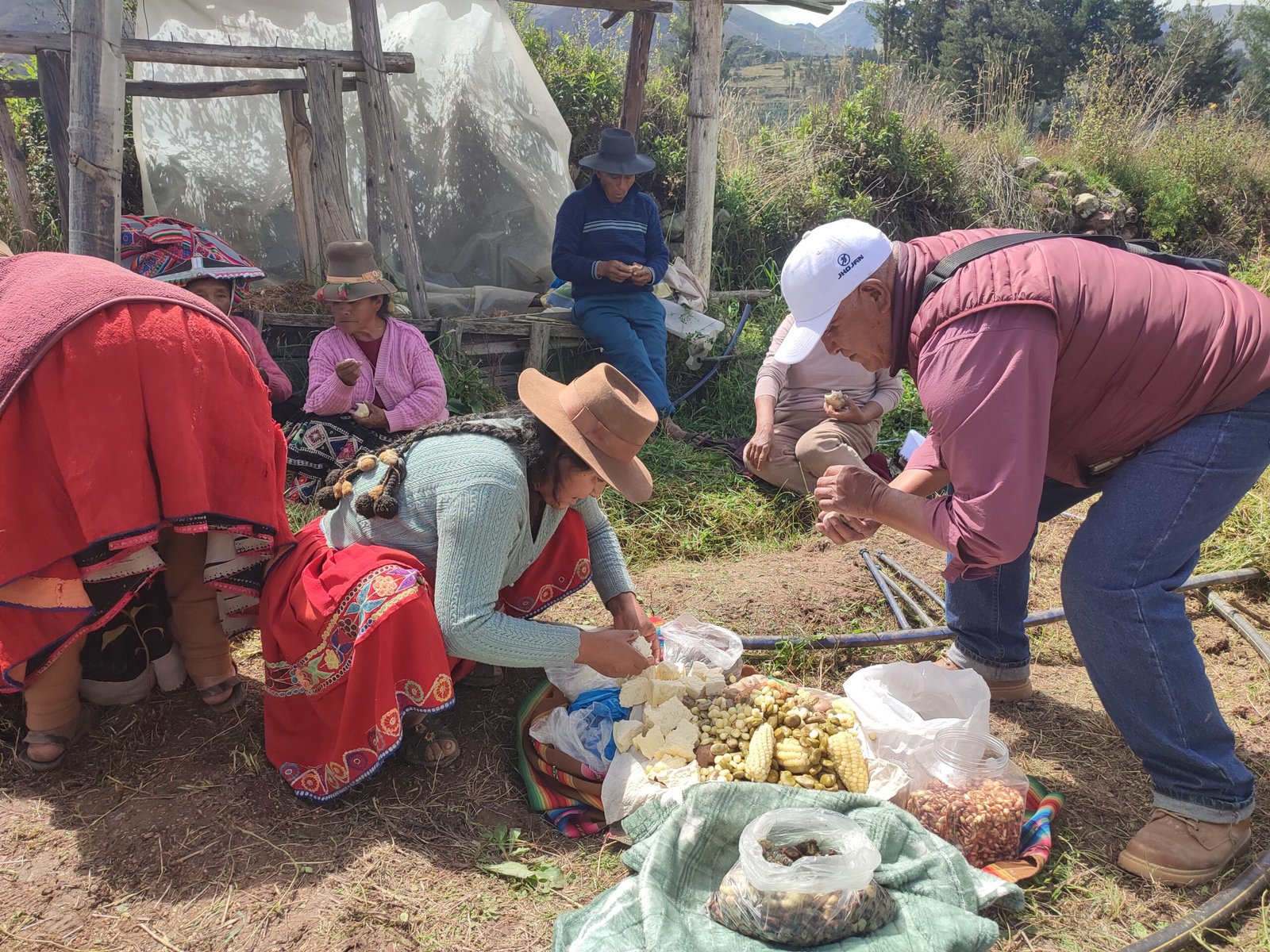
Exchange of plants and seeds
Annual exchange fairs where each participant brings at least ten medicinal species to enrich the home gardens and the model community garden.
View activity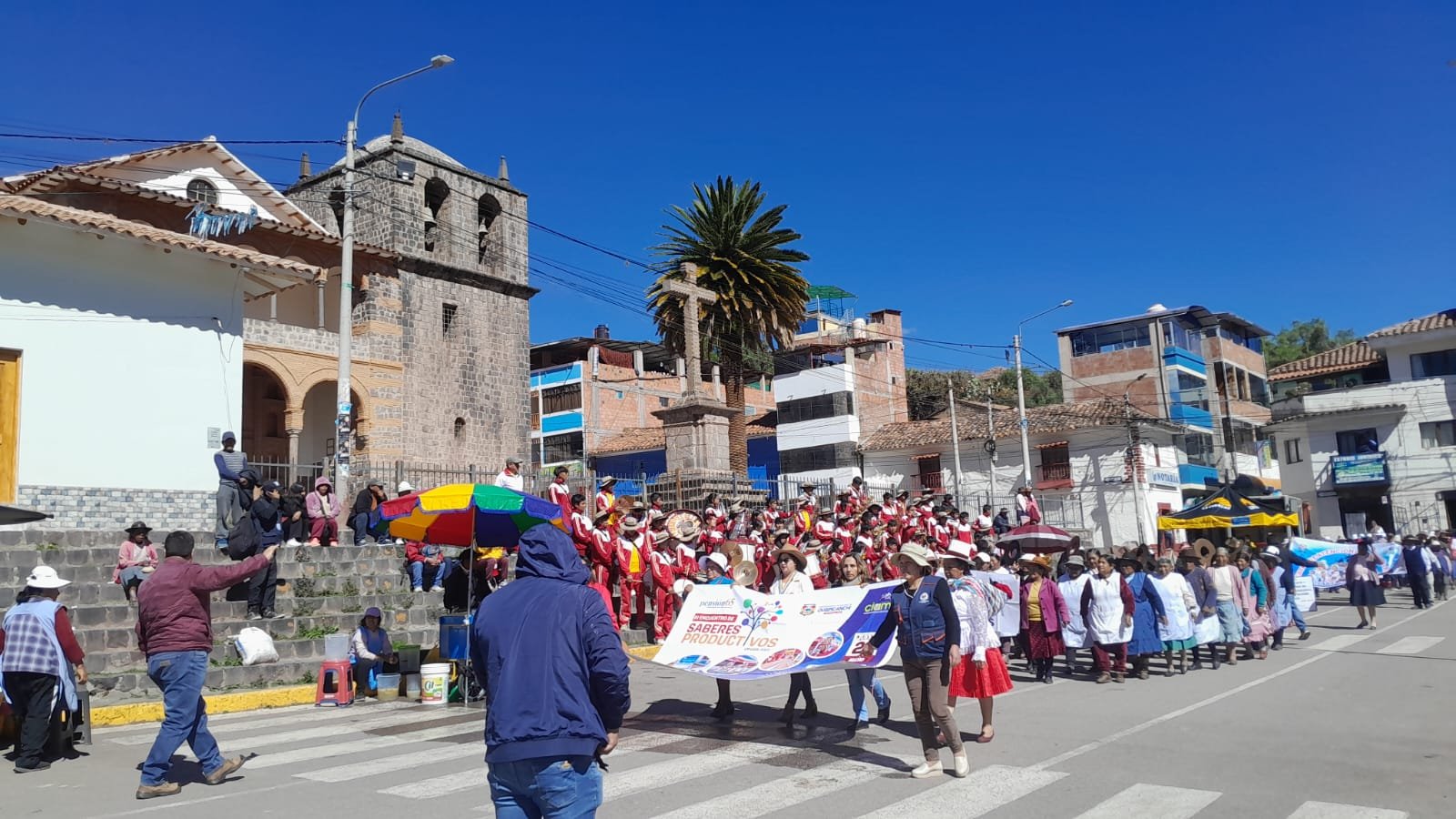
Healing and exhibition fairs
Fairs with the municipal centres for older adults, where the Hampicamayoc offer healing sessions and display their medicinal products.
View activity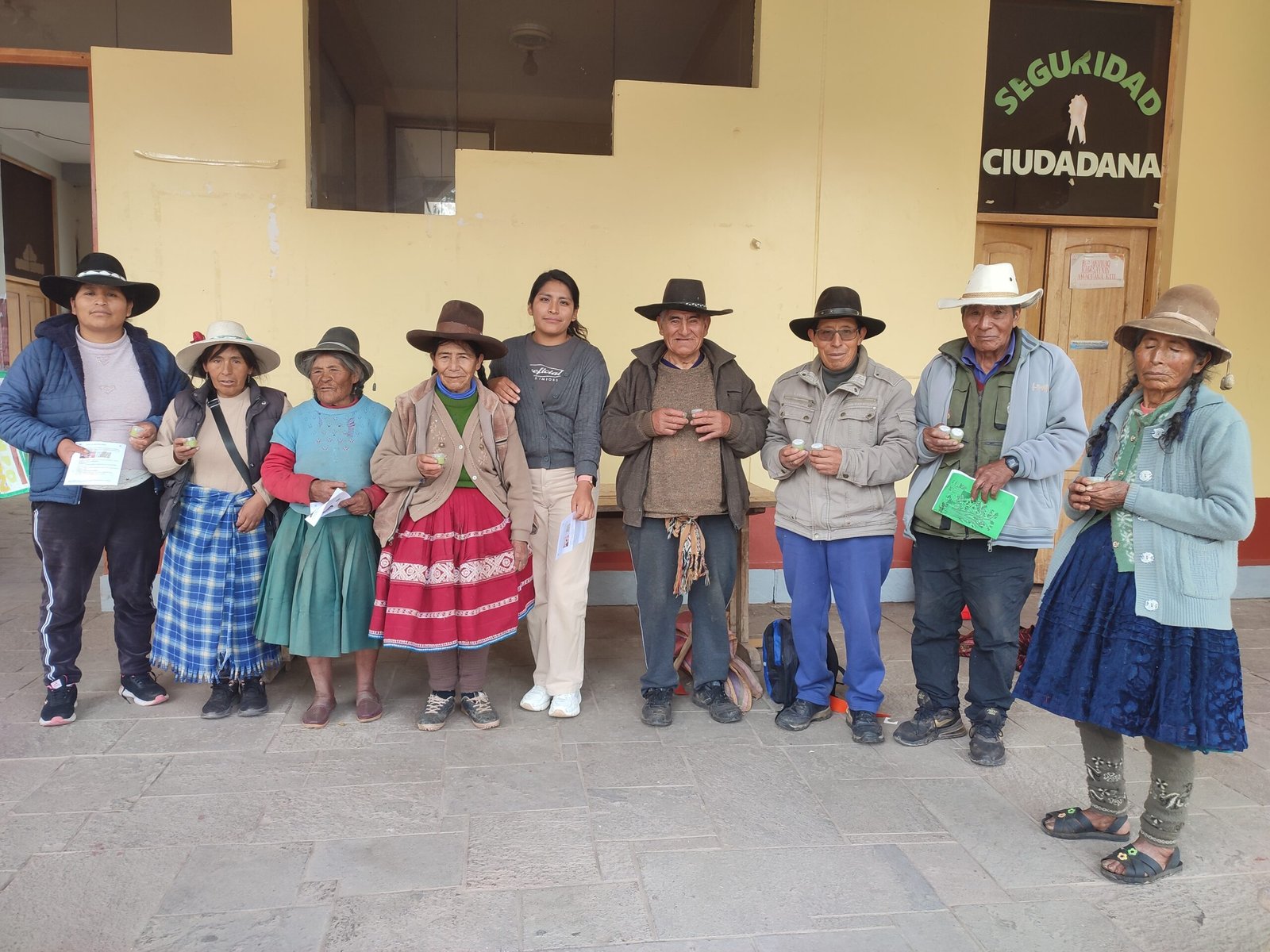
Equipment and accreditation
Assessment of the 40 Hampicamayoc and delivery of their working kit: identifying vest, official ID card, tools and materials.
View activity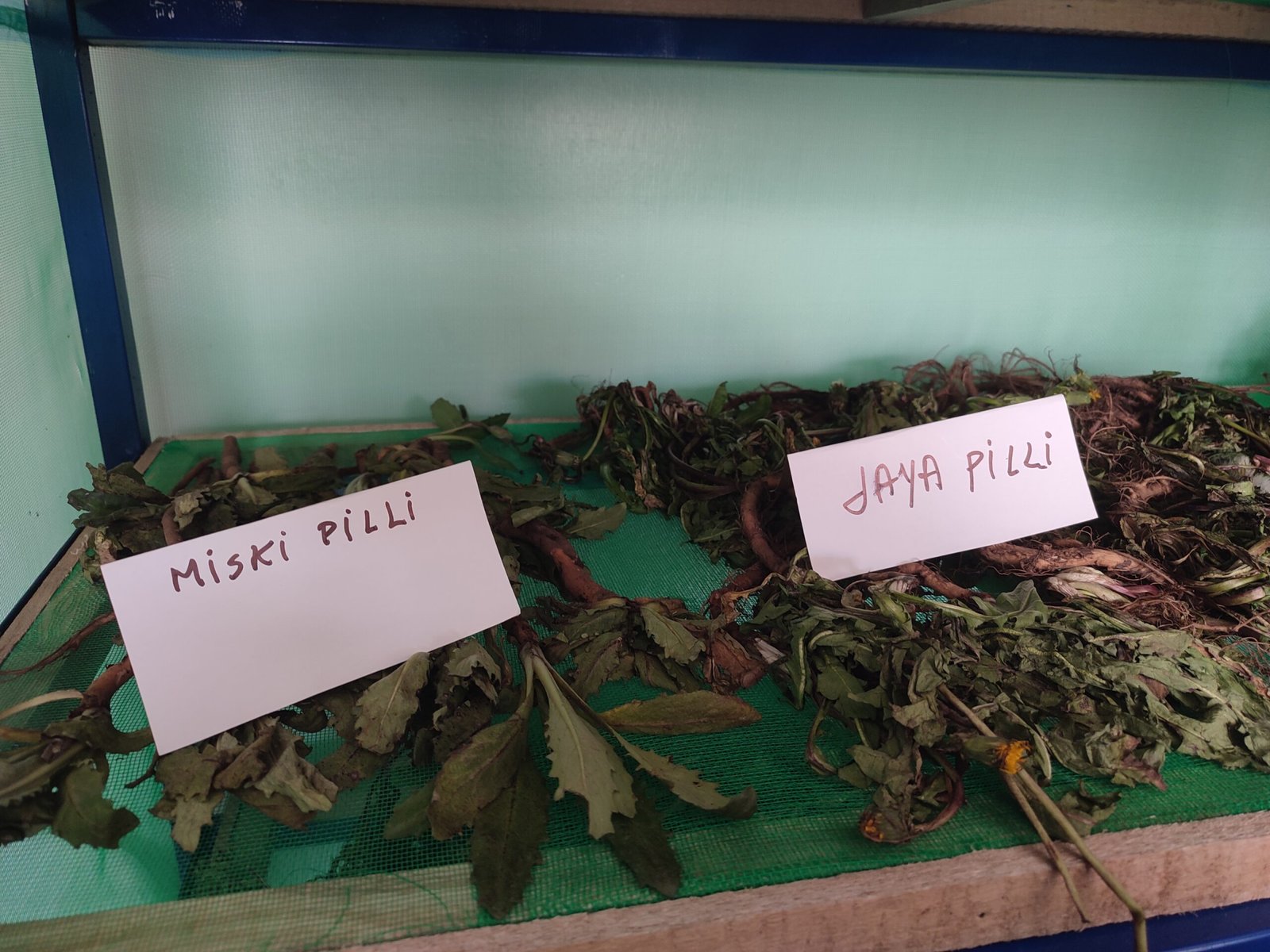
Legal status for the Association
Formalising a legal association bringing together the 40 Hampicamayoc, with statutes, registration and a strategic plan for 2026–2030.
View activity
Internships within Peru
Knowledge exchange with Hampicamayoc and kindred institutions across the country to build skills, learn techniques and spread Andean knowledge.
View activityResearch, academia and work with the communities
Our services hold up the three sides of the work: the scientific one, through the herbarium and botanical research; the academic one, through the library and publications; and the community one, through the products and seeds made together with the people we serve.
Medicinal herbarium
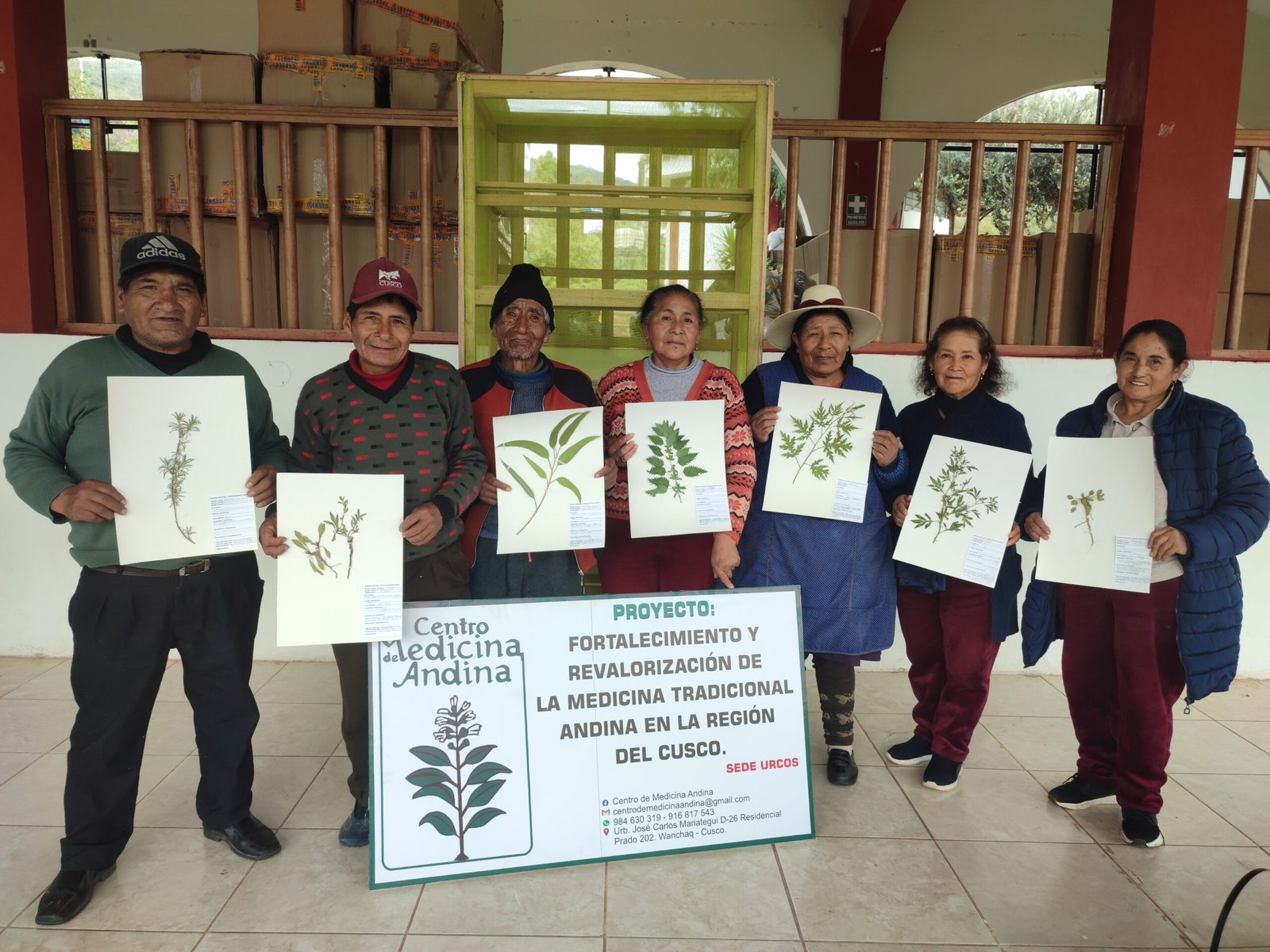
Around 4,000 specimens collected across the ecological tiers of the southern Andes, classified by botanical family with their local and scientific names.
Explore the herbarium AcademicLibrary and publications
Some 9,500 titles and more than 5,000 specialised articles on traditional medicine, plus the books and bulletins published by the CMA itself.
Go to the library CommunitySumaq Hampi solidarity shop
The CMA online shop: ointments, tinctures, essential oils and soaps made by the Hampicamayoc and the communities we work with.
Visit the shop CommunitySeeds and seedlings
Community seed and cutting bank of medicinal and native species, with germination and seedlings for the medicinal home gardens.
See seedsClose to 4,000 medicinal plants preserved
It is one of the country's most important resources for conserving and sharing traditional Andean knowledge. Today it is complemented by the community herbaria that the communities themselves are building.
Franz Riedel Ethnobotanical Garden
In the community of Llocllora, district of Checacupe, province of Canchis, we are planning a living space where the medicinal plants of the Andes can be learned about, cared for and passed on alongside the people who have always used them. The project is currently under development.
- Guided walks among the medicinal species of the southern Andes.
- Traditional healing sessions with Hampicamayoc.
- Production of seedlings, seeds and medicinal products.
- A space for internships, research and intercultural education.
You can become our ally Join us in making the Ethnobotanical Garden of Medicinal Plants a reality.
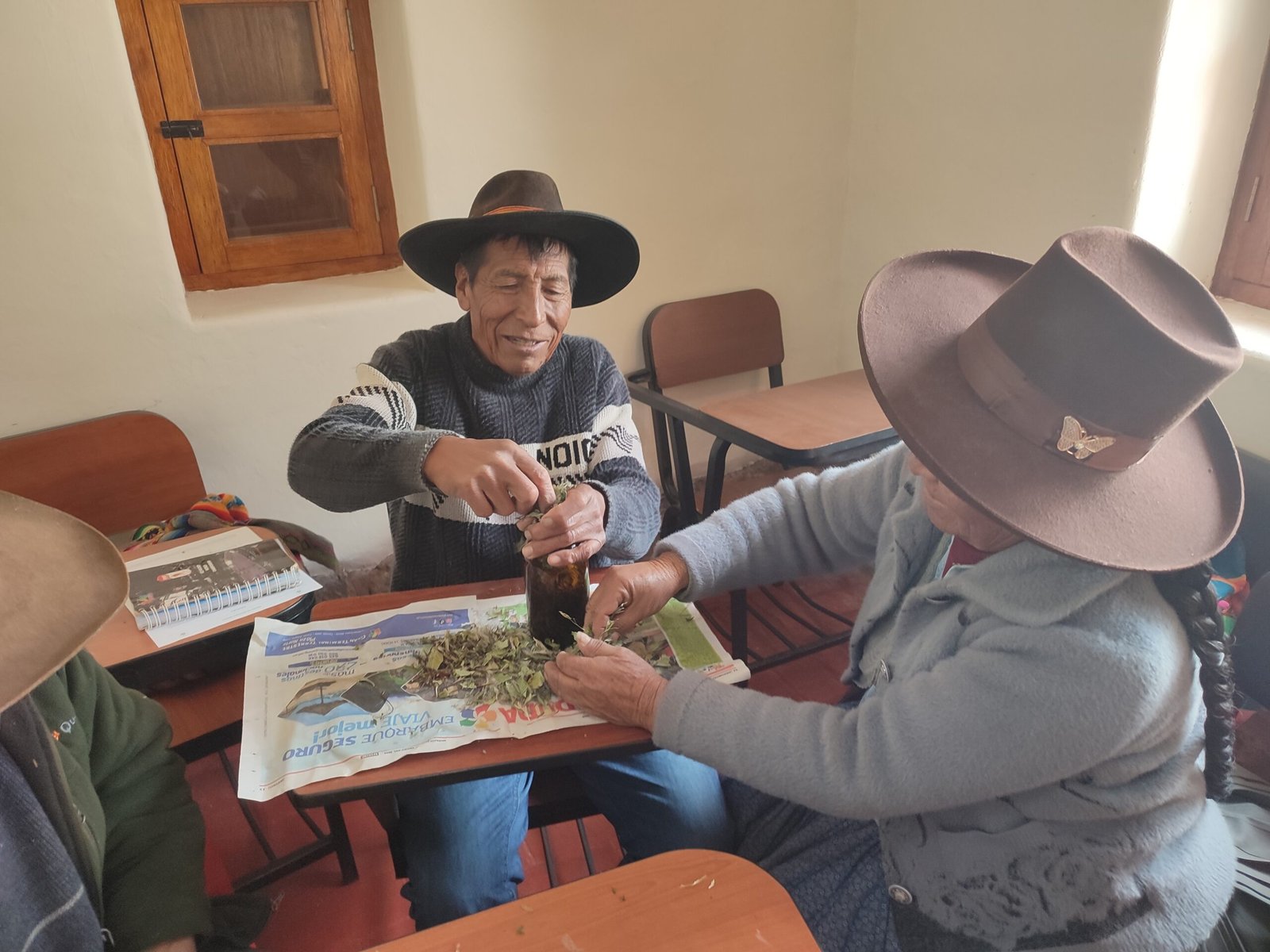
Work for the health of all the brothers and sisters in need, for those the doctors and the pills never reach. To be with them is human and Christian.
Mons. Luis Vallejos Santoni, at the inauguration of the CMA — 11 November 1981
Priority areas in the Cusco Region
Our work covers the whole Cusco Region. During 2026 we are concentrating on five areas, each with its own activities page.
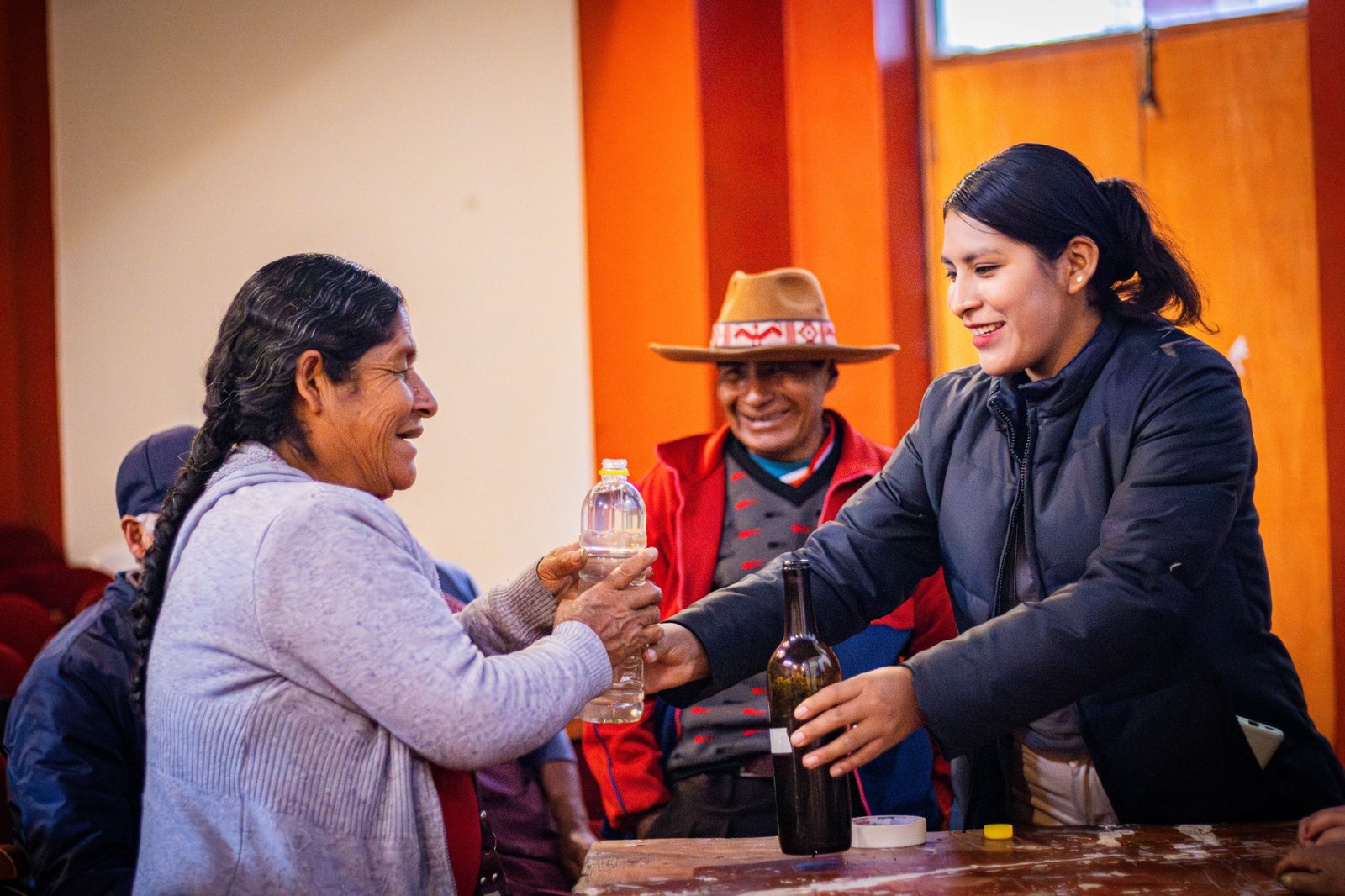
Urcos
Quispicanchi
Tinctures, herbaria, essential oils, ointments, fairs and internships.
View activities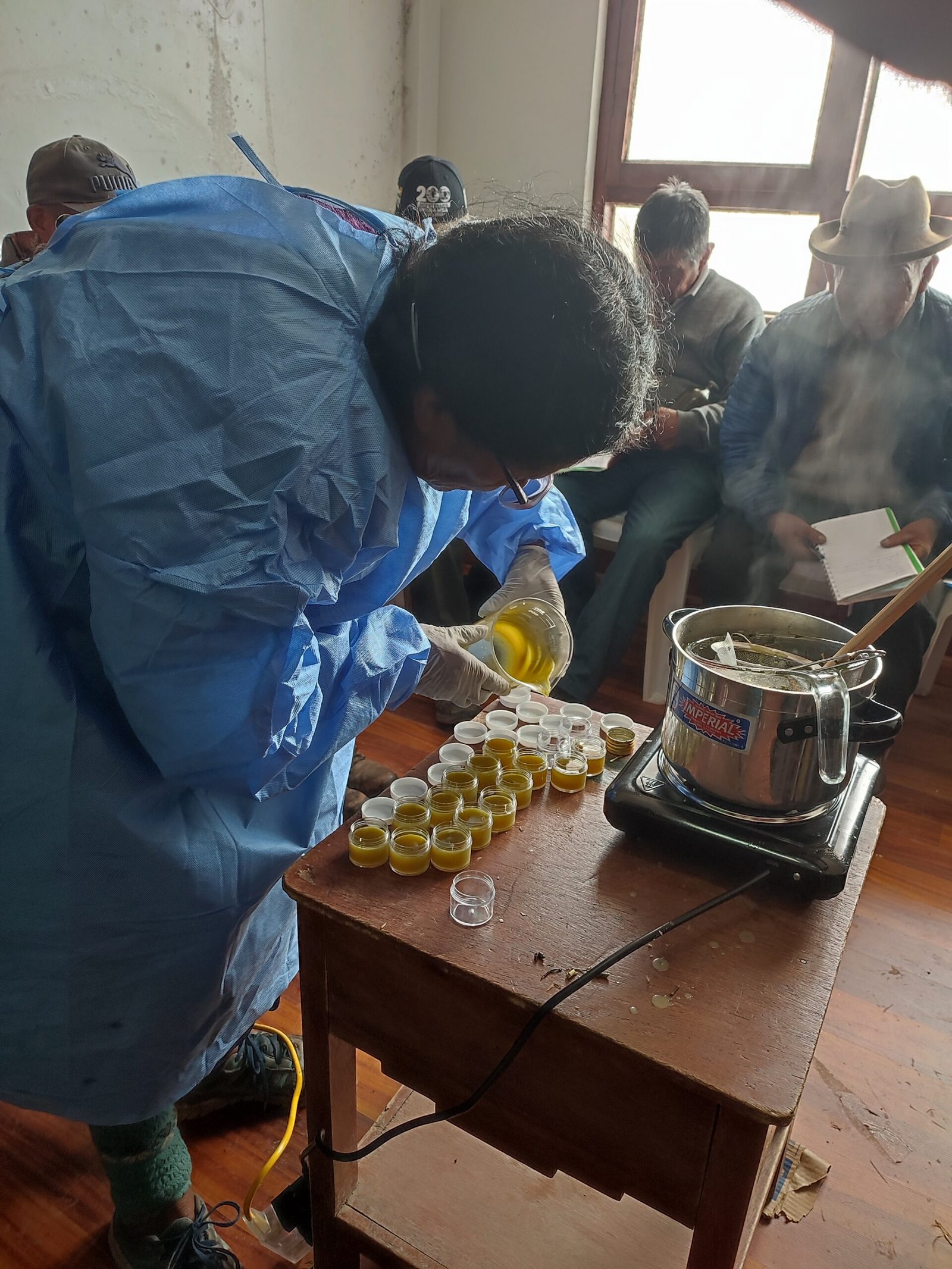
Pomacanchi
Acomayo
Plant gathering, herbarium, soaps, beeswax ointments and tinctures.
View activities
Tungasuca
Canas
Soaps, tinctures, seeds, herbaria and flower gathering.
View activities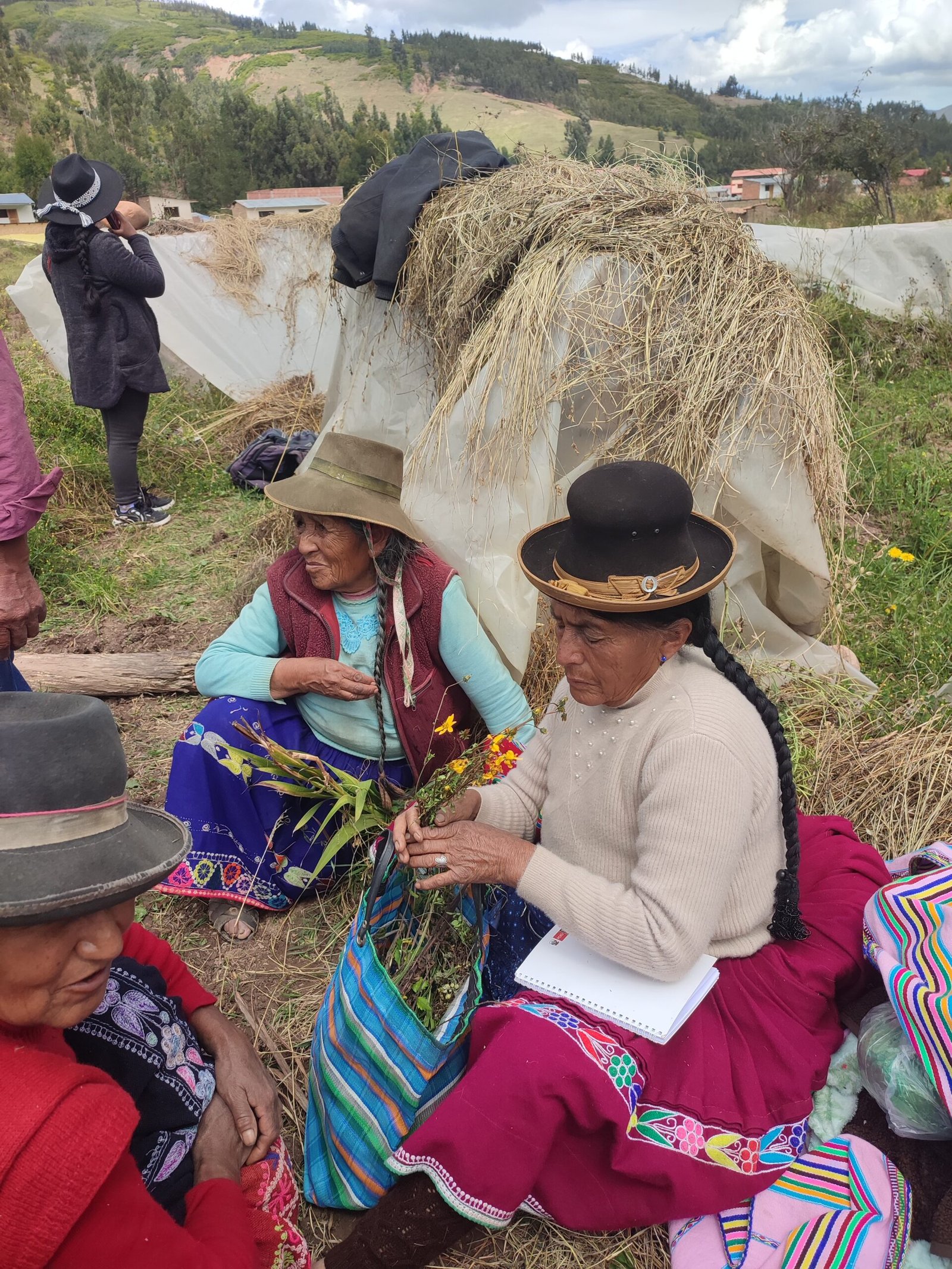
Pitumarca
Canchis
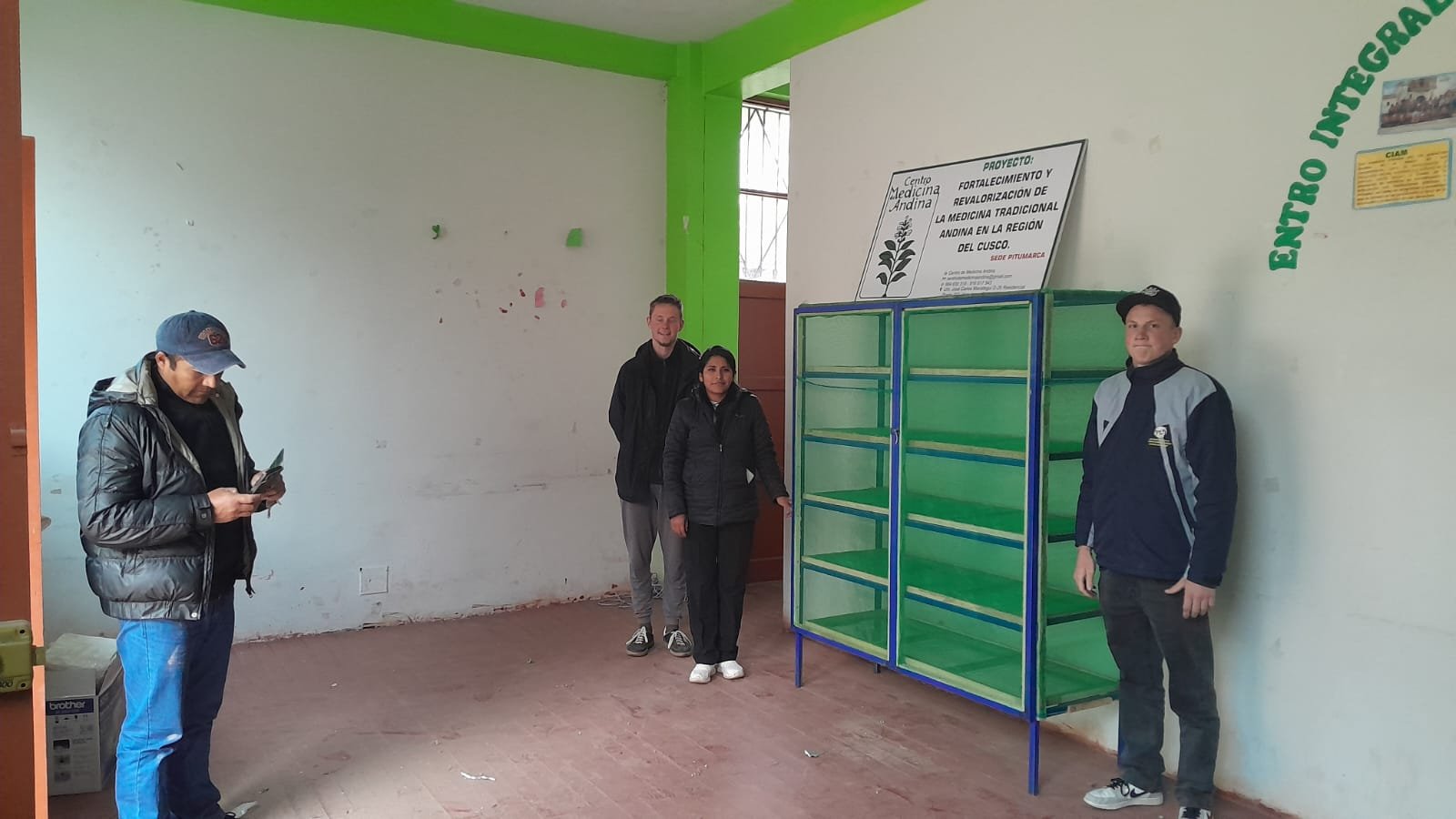
Medicinal home gardens, herbaria, plant gathering and teaching sessions.
View activities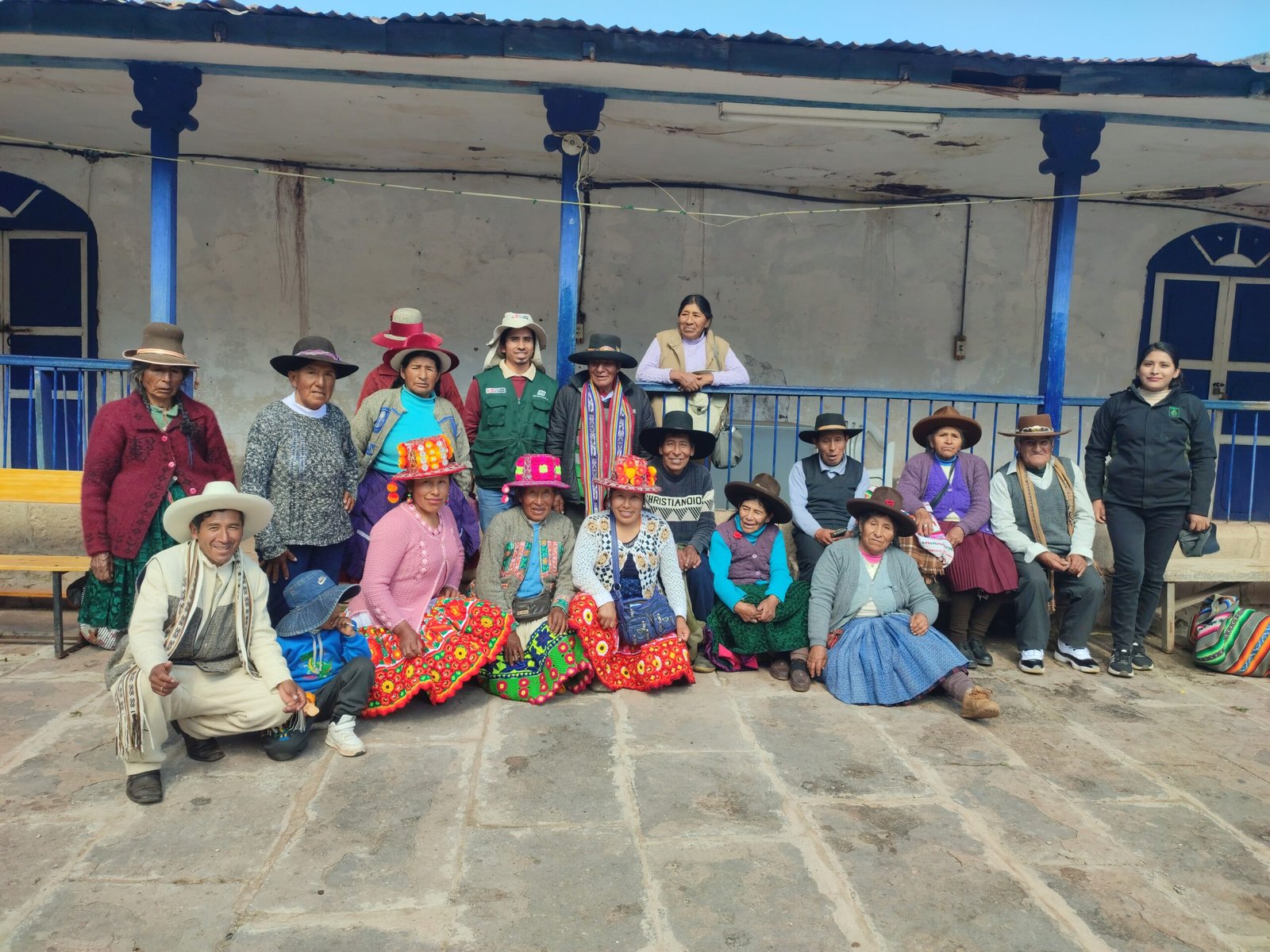
Coporaque
Espinar
Tinctures, beeswax ointments, herbaria and internships.
View activities
Centro de Producción Artesanal
Yanaoca, Canas
Essential oils and artisan soaps. It belongs to the Parish of Yanaoca; the CMA takes part in running it.
View activitiesWhere we are working in the Cusco Region
Our priority areas stretch from Quispicanchi, south of the city of Cusco, down to the province of Espinar. Tap any point to see the work carried out there.
-
UrcosQuispicanchi · tinctures, herbaria and fairs
-
PomacanchiAcomayo · plant gathering and ointments
-
TungasucaCanas · soaps, seeds and herbaria
-
PitumarcaCanchis · medicinal home gardens and herbaria
-
 CoporaqueEspinar · tinctures, ointments and internships
-
 Centro de Producción ArtesanalYanaoca, Canas · oils and soaps
Andean medicine, told in pictures
Working together to give medicinal plants their value
Here we bring together our current relationships and the partnerships we want to build with public institutions, international organisations and youth networks.
CENSINational Centre for Intercultural HealthINIA Andenes CuscoAgricultural researchPensión 65National solidarity assistance programmeCIAMMunicipal centres for older adultsACR AusangateRegional Conservation AreaUniversidad Privada San Juan BautistaCooperation agreement in progressGIES CuscoInstitutional network, CuscoKLJB AlemaniaRural youth networkLos Amigos de AdveniatFunds the projectParque Natural Regional de AubracFrance
Become an ally of the Centro de Medicina Andina
Your contribution sustains the workshops with the Hampicamayoc, the medicinal home gardens, the herbarium, the publications and the Ethnobotanical Garden. Every contribution keeps centuries of knowledge alive.
Get in touch
- Institutional email
- contacto@cmacusco.org.pe
- Alternative email
- centrodemedicinaandina@gmail.com
- +51 984 630 319
- Centro de Medicina Andina
- @cma.cusco
- TikTok
- @cma.cusco
- YouTube
- @centrodemedicinaandina
- Cusco office
- Urb. José Carlos Mariátegui D-26, Residencial Prado 202 — Wanchaq, Cusco
- Sicuani office
- Dos de Mayo 212, Sicuani 08254 — Canchis, Cusco